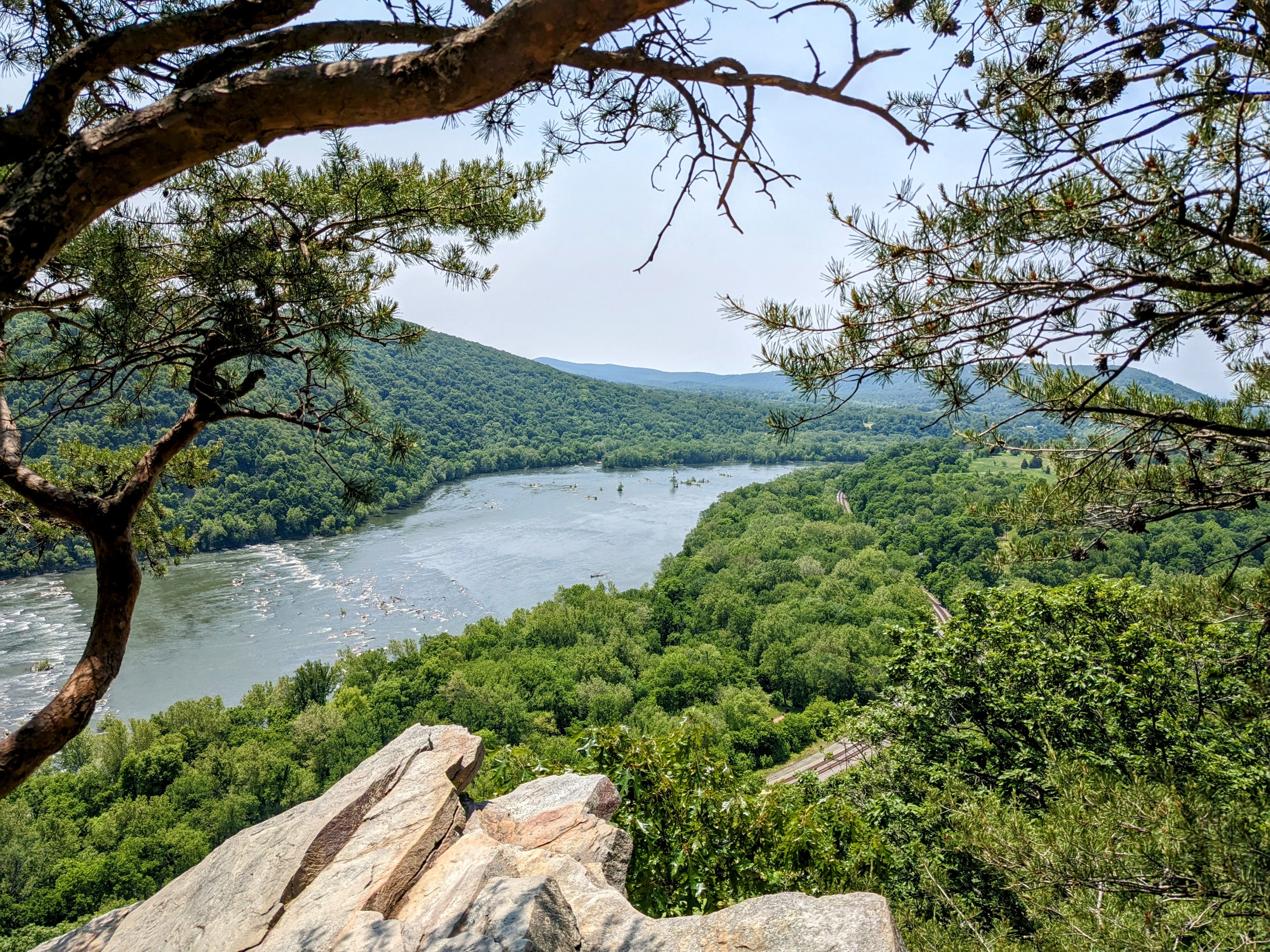
So you want to go backpacking. But before you step foot on the trail, it’s important to know how to plan a backpacking trip. While there’s fun and adventure in spontaneous trips, often it’s equally enjoyable to have done research ahead of time to know where you’re going, what you want to see, and what possible camping sites you might stay at. Some parks even require it, since you’ll need to obtain hiking permits and reserve campsites ahead of time, or even enter the lottery.
Know your group’s skill level
Before you even start searching backpacking trails near me or best places to backpack, or start thumbing through that guide your spouse got you, it’s important to know who’s going with you and what level of trail you want to do.
Are you comfortable with technical climbs? Do you have a member of the group who’s scared of heights and wouldn’t appreciate a long walk next to a cliff’s edge? How much elevation do you want to do? How many miles a day is too many?
I’m a firm believer in pushing yourself—sustainably. Choose something that pushes you out of your comfort zone, but not the danger zone. Grow; but don’t jump into the deep end if you don’t know how to swim. The last thing you want to do is end up in danger, requiring a search and rescue team to come get you.
Research where you want to go backpacking
Now that you know what kind of trail you want to do, it’s time to find the actual trail and location! This is my favorite part. You get to pour over different pictures and different places, discussing things like rocks scrambles vs river valleys or exposed ridgelines vs thick, old growth forests. You can use guides like National Geographic or find weekend backpacking trip reports from other people who’ve been on these adventures.
When you find your trip, there’s a couple of details you need to know.
- How long is the trip?
- What’s the elevation gain?
- What are the hazards? (For instance, several river fords, exposed ridgelines, beaver dams flooding the trail.)
- What’s typical weather for the time frame you’re going to be there?
- Where are the closest towns and resupply points?
- How many days of food will you need?
- What permits or lotteries are required?
- Where are the trailheads in relation to where you want to hike?
- Is it a loop trail or an out-and-back?
- How are you getting to the trail? (Do you need to fly? Where are you getting your rental? How much driving to the trailhead? Are you getting shuttled? By who?)

Have a backpacking gear checklist
One backpacking trip, I didn’t realize until we were at our campsite for the evening that I’d left the rain fly at home… and it was raining. We had to throw our ponchos over the tent to make the best semblance of a rain fly we could. While it definitely made the trip memorable, I’ve always been very careful about checking for the rain fly since!
The best way to avoid that entire situation is to use a checklist every trip to make sure you have all the things you need. Use this printable backpacking gear checklist so you don’t have to worry about leaving anything vital behind.
Plan how much backpacking food to take
The last thing you want to do is run out of food on a backpacking trip. The other thing you don’t want to do is have so much food you barely make a dent in it… because then you have to carry it your entire trip.
Here’s a couple of tips to keep your food amount just right:
- Know how many days you’re going to be hiking, and lay out your food for each of those days.
- Make sure you have a breakfast, a lunch, and a dinner for each day.
- Go easy on the snacks. Lay the extra snacks out in between the meals so you know that you have a granola bar for a midmorning snack, some trail mix for a scenic overlook/catch my breath again break in the afternoon, and that tasty chocolate bar for a “welcome to camp” treat. You can usually see if you’re packing too much.
- Remember that you do eat a bit more when you’re hiking, but unless you’re doing big miles or a several week long trip, it’s not usually that much more.
- Leave extra food in your car at the trailhead, so that when you get back to your car, you have something you can eat right away!
Plan for emergencies
As the saying goes: hope for the best, plan for the worst. This is especially the case when you’re in a wilderness area, hours or even days away from help. Sure, you have the emergency SOS button on your Garmin InReach, but pushing that button isn’t going to instantly teleport Search and Rescue to your location. If you’re planning a backpacking trip, you also need to plan what to do when things go wrong.
As you’re planning, make note of these things:
- How reliable is cell service?
- What’s the number for the park service where you’ll be hiking?
- Where’s the nearest town with a hospital?
- What alternative routes are available?
- Where are roads around you?
I’m also a big proponent of having a physical map. I don’t want to worry about my cell battery dying, my phone breaking, or anything like that. A map doesn’t add that much extra weight and is highly worth it to get an overlook of the area you’re going to be in as well as surrounding areas if you need to deviate from the plan.
Before you head out on trail, also make sure you have your first aid kit refreshed and restocked.
Be flexible
I can count on one hand the number of times a backpacking trip has gone exactly according to plan. Most of the time, something ends up wrong. Either a water source goes dry, a climb is harder than expected, there’s a minor injury, you get to your campsite sooner than you thought, weather forces you on an alternate route, or you find out the campsite is infested with venomous snakes.
The mountains have a way of reminding you that they’re not bound to your plans and ideas, and that they have some of their own. It’s part of what makes backpacking and exploring so worthwhile.
But it also means you can’t hold onto your plan with an iron-tight fist. Be ready and willing to scrap the plan and come up with another one on the go. It’s what makes it an adventure, after all.
How to plan a backpacking trip
In short, planning a backpacking trip is pretty simple. You simply need to:
- Know your group’s skill level
- Research where you want to go backpacking
- Have a backpacking gear checklist
- Plan out your food
- Plan for emergencies
- Be flexible
By following these steps, you’ll be well on your way to having a fantastic trip, exploring the majestic wilderness around us.
Leave a Reply