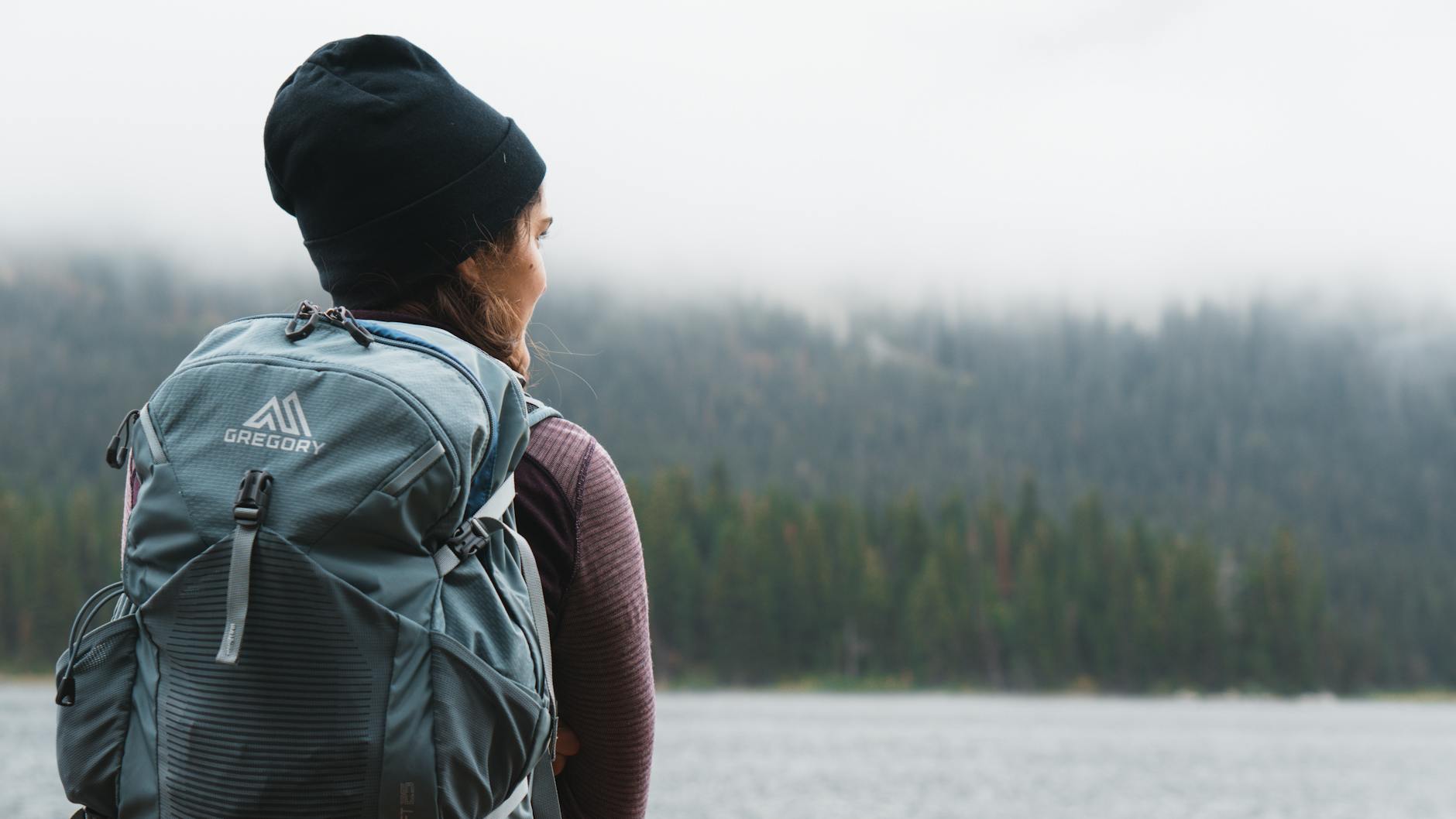
Before you head into the wilderness, it’s important to have a backpacking checklist so you know you have everything you need. It’s no fun finding out in a downpour that you forgot the rain fly at home or try to set up your tent and realize that you didn’t actually bring the tent poles. (True stories.) And it’s equally challenging when the sole on your boot begins falling off, but you realize your duct tape is still sitting on your dining room table. (Another true story.)
Use this backpacking gear list to verify you have everything you need to make your next adventure safe, full of laughs, and, most important, memorable for all the right reasons.
Printable backpacking gear checklist
Want a printable version? Download it here!
Backpacking checklist
To make it easier, I’ve broken the list down into categories. Optional items are marked as such; if you’re looking for ways to lighten your load or go ultralight, skip these items. You can find some of my favorite budget-friendly backpacking gear here.
I am reader-supported; if you buy through links on my site, I may earn an affiliate commission. Learn more.
Backpack system
- Backpack, appropriately sized for you and your gear
- Rain cover or liner (either store-bought or contractor trash bag)
- Fanny pack (optional)
- Shoulder pocket (optional)
Camp sleep system
- Tent or hammock
- Rain fly or tarp
- Ground stakes
- Tent poles
- Groundsheet (optional)
- Sleeping mat
- Pump sack (if needed)
- Sleeping bag or backpacking quilt rated for the temperatures you’ll be experiencing
- Sleeping bag liner (optional)
- Pillow (optional)
Camp kitchen
To keep your camp kitchen ultralight, consider leaving behind your mug and any excess dishes. Eating out of your pot eliminates the need for a bowl or plate. If you normally want something hot to drink, use a collapsable cup to save space.
- Stove
- Fuel
- Lighter and/or matches
- Pot and lid
- Eating utensils (Save weight by using only a spork or spoon)
- Mug (optional)
- Bowl (optional)
- Ziplock bags for storage/resupply (on long trips)
- Gallon ziplock bag for trash
- Bear can or Ursack/smell-proof bag and rope for a bear hang
Hiking gear and accessories
- Trekking poles (optional)
- Headlamp (don’t forget to check your batteries)
- Backpacking chair or sit pad (optional)
- Pocket knife
- Wallet with driver’s license, insurance cards, and cash
- Permits (if needed)
- Itineraries: 1 on your car seat, and 1 for a trusted friend or family member
- Pictures of the trail guidebook or downloaded backpacking trail guide pdf
- Compass
- Topo map
- Smart watch (optional)
- GPS (optional)
- SOS device, such as a SPOT tracker or Garmin InReach
Hydration
- Water filter
- Water bladder or water bottles
- Nalgene bottle (optional)
Electronics
- Phone
- Waterproof phone case
- Headphones (optional)
- Power bank
- Charger and cord for power bank
- Camera (optional)
- Wall plug for long trips
- Extra batteries
- Dry bag to store your electronics in
Hiking clothes
Your hiking clothes will always depend on your location, the season, and the weather. In the middle of summer, you don’t need your thick winter gloves. However, I’ve learned a couple things the hard way.
Hypothermia is even a thing in the summer: always have a dry pair of clothes you can change into at night. Summits are much colder than the valleys, and weather can be unpredictable; be prepared for temperatures to drop, wind chill factors, and sudden rain.
When you’re hiking, avoid cotton. Cotton soaks up water and holds onto it, and is not quick drying.
- Hiking boots or trail runners
- Hiking shirt or tank top
- Hiking pants or shorts
- Wool base layers (top / bottom; if cold)
- Long sleeve sun shirt (optional)
- 2-3 pairs of hiking socks, depending on the length of your trip
- 1-2 pairs of camp socks, depending on the length of your trip
- Sports bra
- Undies
- Swim suit (optional)
- Lightweight towel (optional)
- Puffy and/or fleece jacket (depending on weather, but always have at least one)
- Hats (warm hats or sun hats)
- Sunglasses
- Gloves (outer shell / liner gloves; if it’s cold)
- Camp shoes (optional)
- Buff or bandana (optional)
- Mosquito bug net (optional)
- Gaiters (optional)
Toiletries
- Sunscreen
- Trowel
- Toilet paper
- Kula cloth (optional)
- Feminine products
- Toothbrush (Use small travel toothbrush to save weight)
- Travel-sized toothpaste
- Lip balm
- Brush or comb (optional)
- Ponytails (optional)
- Bug spray
- Hand sanitizer
- Earplugs and/or eye mask (optional)
- Cork massage ball (optional)
First aid kit
Pre-created first aid kits designed for backpacking can be readily found at any outdoor retailer. Before you buy one, make sure that it has supplies for the number of people on your trip and for the number of days you’ll be traveling. The only thing you’ll then need to add is your own prescription medications.
If you’d prefer to make your own kit, make sure you have these supplies:
- Any prescription meds
- Band-aids (assorted sizes and a couple of butterfly band-aids)
- Gauze pads
- Medical gloves
- Medical tape
- Ibuprofen
- Tweezers
- Safety pin
- Moleskin
- Antibiotic ointment
- Antidiarrheal
- Antihistamines
- Nail clippers (optional, but especially nice on long trips)
- KT tape for injuries, chafing, etc. (optional)
- Body Glide for chafing (optional)
Emergency kit
- Bear spray
- Backup lighter
- Whistle
- Sleeping mat repair kit
- Duct tape
- Needle and thread
- Backup water treatment
Entertainment
All of these items are optional, but can your time in the campsite more enjoyable or relaxing. Plus, make some new friends by pulling them into a card or dice game with you!
- Ultralight hammock and straps (optional)
- Book or Kindle (optional)
- Notebook and pen (optional)
- Dice (optional)
- Card deck (optional)
- Campsite lights (optional)
Trailhead gear
- Post-hike snacks
- Gallon of water
- Clean clothes
- Dry shoes
- Parking pass

How to lighten your pack weight
The most important thing to remember about backpacking is that you have to carry everything you want to take out with you. It’s all going in your backpacking and you get to haul it up whatever mountains you decide to explore.
Ultimately, the choice of backpack weight comes down to what you’re comfortable with. Are you fine without a sit pad, or do you prefer the extra weight to have a comfortable place to sit at night?
First, write out all the gear you’re taking (or copy this backpacking checklist). Yes, all of it, even the little things you don’t think matter that much.
Then, start looking for items you don’t need. Do you really need that bowl? Can you cut out a fork and use a spork instead? When you’re doing this, be careful that you don’t cut out any emergency gear. Yes, your pack would weigh less without a first aid kit, but when you need it, you’ll be happy for it’s weight.
Once you’ve pulled out anything unnecessary, start looking for ways to lighten the gear you do need. Your biggest impact will come from your “big three”: your tent, sleeping bag, and backpack.
Remember the saying, “ounces make pounds.” Even little cuts can make a big difference when they’re all added up.
Leave a Reply